What is a Second Charge Mortgage and Do You Need One? sets the stage for this enthralling narrative, offering readers a glimpse into a story that is rich in detail and brimming with originality from the outset.
This narrative unfolds with a clear description of the topic, providing insightful information to guide readers through the complexities of second charge mortgages.
Understanding Second Charge Mortgages
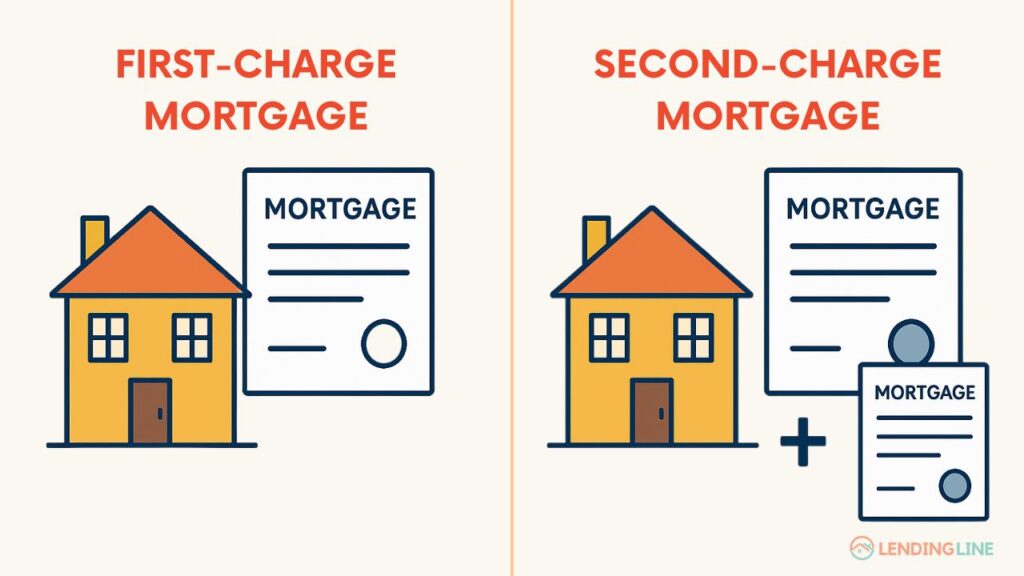
A second charge mortgage, also known as a secured loan, is a type of loan that allows homeowners to use the equity in their property as security for another loan. This means that the borrower already has a primary mortgage on the property and takes out a second loan on top of that.
Examples of Situations Where a Second Charge Mortgage May Be Useful
- Home Improvements: If a homeowner wants to make significant renovations or extensions to their property but does not want to remortgage, a second charge mortgage can provide the necessary funds.
- Debt Consolidation: Using a second charge mortgage to consolidate debts can potentially lower monthly payments and reduce overall interest rates.
- Business Purposes: Some homeowners may use a second charge mortgage to fund a business venture or investment opportunity.
Differences Between a Second Charge Mortgage and a Remortgage
While both involve borrowing against the value of your property, there are key differences between a second charge mortgage and a remortgage:
- Security: A remortgage replaces your existing mortgage, while a second charge mortgage is an additional loan secured against your property.
- Interest Rates: Second charge mortgages may have higher interest rates compared to remortgages, as they are seen as higher risk for lenders.
- Flexibility: With a remortgage, you may be able to change your mortgage terms, lender, or borrow more money, whereas a second charge mortgage does not affect your primary mortgage.
Eligibility and Requirements
 When considering a second charge mortgage, it's important to understand who is eligible and the typical requirements involved in obtaining one. This type of mortgage can be a viable option for homeowners looking to access additional funds without remortgaging their primary loan.
Eligibility for a Second Charge Mortgage
- Homeowners with existing mortgages who have built up equity in their property are usually eligible for a second charge mortgage.
- Applicants must have a stable source of income to demonstrate their ability to repay the loan.
- Individuals with a good credit score are more likely to be approved for a second charge mortgage.
Requirements for Obtaining a Second Charge Mortgage
- A detailed assessment of the applicant's financial situation will be carried out by the lender.
- Proof of income, such as pay stubs or tax returns, will be required to verify the applicant's ability to make repayments.
- An appraisal of the property may be necessary to determine its current value and equity.
Impact of Credit Scores and Income Levels
- Having a good credit score can increase the likelihood of approval for a second charge mortgage and may result in more favorable terms.
- Higher income levels provide lenders with confidence that the borrower can meet the repayment obligations of the loan.
- Poor credit scores or insufficient income may limit eligibility for a second charge mortgage or result in higher interest rates.
Pros and Cons
When considering a second charge mortgage, it is essential to weigh the advantages and disadvantages to make an informed decision. Let's explore the pros and cons of opting for a second charge mortgage.Advantages of Second Charge Mortgages
- Access to additional funds: A second charge mortgage allows you to borrow against the equity in your property, providing you with access to a lump sum of money.
- Potential lower interest rates: Second charge mortgages often come with lower interest rates compared to other forms of borrowing, such as personal loans or credit cards.
- No need to remortgage: Opting for a second charge mortgage means you can keep your existing mortgage deal intact and avoid early repayment charges.
- Use funds for various purposes: The borrowed funds from a second charge mortgage can be used for home improvements, debt consolidation, or other financial needs.
Disadvantages of Second Charge Mortgages
- Risk of losing your home: Just like with a primary mortgage, failing to keep up with repayments on a second charge mortgage could put your property at risk of repossession.
- Higher overall borrowing costs: While the interest rates on second charge mortgages may be lower, the overall borrowing costs can be higher due to longer repayment terms.
- Potential impact on credit score: Taking out a second charge mortgage could affect your credit score and future borrowing capabilities.
Comparison with Other Financial Options
- Compared to personal loans: Second charge mortgages tend to offer larger loan amounts and lower interest rates, making them a more cost-effective option for significant expenses.
- Compared to remortgaging: Opting for a second charge mortgage allows you to access funds without disrupting your existing mortgage deal, which can be beneficial if you have a favorable rate.
- Compared to credit cards: Second charge mortgages typically have lower interest rates than credit cards, making them a more affordable option for borrowing larger sums of money.
Application Process
When applying for a second charge mortgage, there are specific steps you need to follow to ensure a smooth process from application to approval and disbursement. Here is a breakdown of the application process along with some tips to help you prepare.Steps Involved
- Fill out an application: Start by filling out an application form provided by the lender. This form will require you to provide details about your financial situation, the amount you wish to borrow, and the purpose of the loan.
- Evidence of income and expenses: Along with the application, you will need to submit documents such as payslips, bank statements, and details of any existing debts to support your income and expenditure.
- Property valuation: The lender will arrange for a valuation of the property you are using as security for the loan to assess its current market value.
- Underwriting process: Once the necessary documentation is submitted, the lender will review your application, assess your financial situation, and determine the terms of the loan.
- Approval and disbursement: If your application is approved, the lender will provide you with a formal offer detailing the terms and conditions of the loan. Upon acceptance, the funds will be disbursed to you.
Tips for Preparation
- Organize your financial documents in advance to speed up the application process.
- Check your credit report to ensure there are no errors that could affect your application.
- Be prepared to explain any irregularities in your financial history, such as past credit issues or changes in income.
- Consider seeking the help of a mortgage broker to guide you through the application process and find the best deal for your circumstances.
Timeline from Application to Disbursement
The timeline for a second charge mortgage application can vary depending on the lender and individual circumstances. On average, it can take anywhere from a few weeks to a couple of months from application to approval and disbursement of funds.
Closing Summary
In conclusion, the discussion on What is a Second Charge Mortgage and Do You Need One? culminates in a comprehensive summary, leaving readers with a profound understanding of this financial option and its implications.
FAQ Corner
What are the typical requirements for obtaining a second charge mortgage?
Typical requirements include having equity in your property, proving affordability, and demonstrating a clear repayment plan.
How does a second charge mortgage differ from a remortgage?
A second charge mortgage allows you to keep your existing mortgage while taking out an additional loan secured against your property, whereas a remortgage involves replacing your existing mortgage with a new one.
What impact do credit scores and income levels have on eligibility for a second charge mortgage?
Credit scores and income levels play a crucial role in determining eligibility for a second charge mortgage, as they indicate your ability to repay the loan. Higher credit scores and stable income can enhance your chances of approval.