Exploring the key strategies for reinvesting your equity home loan profitably can significantly impact your financial growth. By delving into various investment options and maximizing returns, you can secure long-term wealth accumulation. Let's dive into the world of reinvestment and discover how it can benefit you.
Importance of Reinvesting Equity Home Loan Profit
Reinvesting equity home loan profit is a crucial step towards ensuring financial growth and stability. By utilizing the profit generated from your home's equity, you have the opportunity to multiply your wealth over time and secure a stronger financial future.Long-Term Wealth Accumulation
Reinvesting equity home loan profit can lead to long-term wealth accumulation through various investment opportunities. For example, using the profit to purchase additional properties or invest in stocks and bonds can result in substantial returns over time. This strategy allows you to leverage your existing assets to generate more income and build a diverse investment portfolio.Benefits of Using Equity Home Loan Profit for Investment
- Increased Return on Investment: Reinvesting equity home loan profit can potentially generate higher returns compared to leaving the funds idle or using them for non-investment purposes.
- Asset Diversification: Investing the profit in different asset classes can help spread risk and enhance overall portfolio performance.
- Compound Growth: By reinvesting the profit and allowing it to grow over time, you can benefit from the compounding effect and significantly increase your wealth.
- Financial Security: Building a robust investment portfolio through reinvesting equity home loan profit can provide financial security and stability for the future.
Types of Profitable Investment Options
 Investing your equity home loan profit wisely is crucial for maximizing returns and achieving financial goals. There are various investment avenues where you can reinvest your equity home loan profit, each with its own set of risks and returns. Let's explore some of the most common options below:
Real Estate
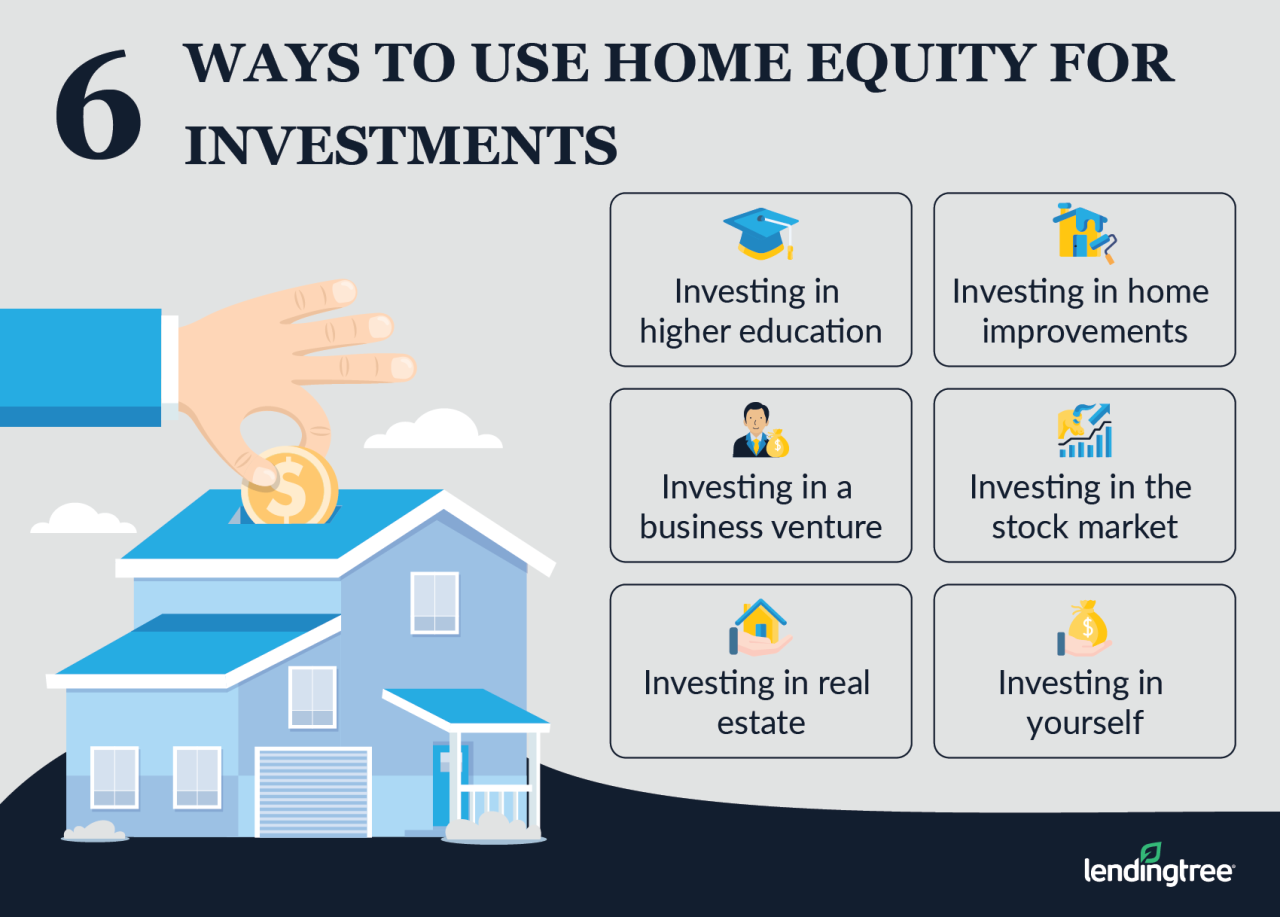
Investing in real estate can be a lucrative option for reinvesting your equity home loan profit. Whether it's purchasing rental properties, flipping houses, or investing in real estate investment trusts (REITs), real estate offers the potential for long-term appreciation and passive income.Stocks
Stocks are another popular investment option that can provide high returns but come with higher risks. By investing in individual stocks or exchange-traded funds (ETFs), you can benefit from the growth potential of the stock market.Bonds
Bonds are considered a more conservative investment option compared to stocks. They offer a fixed income stream and lower risk, making them ideal for investors looking for stability and income generation.Mutual Funds
Mutual funds pool money from multiple investors to invest in a diversified portfolio of stocks, bonds, or other securities. They offer professional management and diversification, making them a popular choice for investors seeking a hands-off approach to investing.Other Investment Choices
Apart from real estate, stocks, bonds, and mutual funds, there are other investment choices such as index funds, exchange-traded funds (ETFs), cryptocurrencies, and commodities. Each option comes with its own set of risks and rewards, so it's essential to research and understand the potential outcomes before making any investment decisions.Strategies for Maximizing Returns
 When reinvesting equity home loan profit, it is crucial to have strategies in place to maximize returns and make the most out of your investment. Diversification, setting clear goals, and timelines are key components to consider for a successful reinvestment strategy.
Diversification Strategies
Diversification is essential to minimize risks and enhance profitability when reinvesting equity home loan profit. By spreading your investments across different asset classes, industries, and geographical regions, you can reduce the impact of market fluctuations on your overall portfolio. This strategy helps to protect your investment from potential losses while still allowing for growth opportunities.- Invest in a mix of stocks, bonds, real estate, and other assets to spread risk.
- Consider investing in both domestic and international markets for diversified exposure.
- Rebalance your portfolio regularly to maintain diversification and adjust to changing market conditions.
Setting Clear Investment Goals and Timelines
Having clear investment goals and timelines is crucial for reinvesting equity home loan profit successfully. By defining your objectives and timeframe, you can align your investment strategy with your financial goals and risk tolerance. This approach helps you stay focused and disciplined in your investment decisions, ultimately increasing the likelihood of achieving your desired outcomes.Setting specific, measurable, achievable, relevant, and time-bound (SMART) goals can help you track your progress and make informed investment decisions.
- Determine your financial objectives, such as saving for retirement, buying a home, or funding your children's education.
- Set realistic timelines for achieving your goals based on your risk tolerance and investment horizon.
- Regularly review and adjust your investment strategy to stay on track with your goals and adapt to changing market conditions.
Tax Implications and Financial Planning
Investing equity home loan profit comes with certain tax implications that vary depending on the type of investment vehicle chosen. It is important to understand these implications to optimize your returns and minimize tax liabilities. Proper financial planning is crucial in making informed decisions about reinvesting equity home loan profits. Consulting with financial advisors or tax professionals can provide valuable insights into effective tax planning strategies.Tax Implications of Reinvesting Equity Home Loan Profit
- Capital gains tax: Profits from investments such as stocks, bonds, or real estate may be subject to capital gains tax.
- Dividend income tax: Income generated from dividends on investments can be taxed at different rates.
- Property tax: If reinvesting in real estate, property taxes may apply, impacting overall returns.
Financial Planning for Optimizing Reinvestment
- Setting clear investment goals: Define your financial objectives to align your reinvestment strategy accordingly.
- Diversification: Spreading investments across different asset classes can help manage risk and optimize returns.
- Monitoring and adjustment: Regularly review your investment portfolio and make necessary adjustments based on market conditions and financial goals.
Consulting with Financial Advisors or Tax Professionals
- Expert advice: Seek guidance from financial advisors or tax professionals to create a tax-efficient investment plan.
- Tax optimization strategies: Professionals can help identify tax-saving opportunities and maximize after-tax returns.
- Regular reviews: Schedule periodic meetings with advisors to ensure your investment strategy aligns with your financial goals and tax planning needs.
Closing Notes
In conclusion, the top strategies discussed here offer a roadmap to make the most out of your equity home loan profit. By understanding the importance of reinvestment, exploring diverse investment opportunities, and planning wisely for the future, you can set yourself up for financial success. Start implementing these strategies today and watch your wealth grow over time.
FAQ Corner
What are some benefits of reinvesting equity home loan profit?
Reinvesting equity home loan profit can lead to long-term wealth accumulation and financial growth.
How can one maximize returns when reinvesting equity home loan profit?
Practical tips like diversification strategies and setting clear investment goals can help in maximizing returns.
Are there tax implications to consider when reinvesting equity home loan profit?
Yes, it's important to understand the tax implications of reinvesting in different investment vehicles and consult with financial advisors for effective tax planning.