Embark on a journey to understand the intricacies of qualifying for a high-value equity home loan, exploring the key factors and strategies that can make this financial goal a reality.
Delve into the realm of equity home loans and discover how you can leverage your home's value to secure the funding you need for your dreams.
Understanding Equity Home Loans
Equity home loans are a type of loan that allows homeowners to borrow money by using the equity they have built up in their homes as collateral. Unlike regular home loans that are based on the purchase price of the home, equity home loans are based on the current market value of the property minus any outstanding mortgage balance.Using Home Equity to Secure a Loan
When you take out an equity home loan, you are essentially borrowing against the portion of your home that you own outright, which is known as home equity. This can be a beneficial way to access a large sum of money for major expenses like home renovations, debt consolidation, or other financial needs. The loan is secured by the value of your home, which gives lenders more confidence in approving the loan and often results in lower interest rates compared to unsecured loans.Benefits of Equity Home Loans
- Lower interest rates: Since equity home loans are secured by your home, lenders see them as less risky and typically offer lower interest rates compared to unsecured loans.
- Higher loan amounts: With equity home loans, you can borrow larger sums of money than with other types of loans, making it ideal for big expenses.
- Tax-deductible interest: In many cases, the interest paid on an equity home loan may be tax-deductible, making it a financially advantageous option for homeowners.
Factors Influencing Qualification
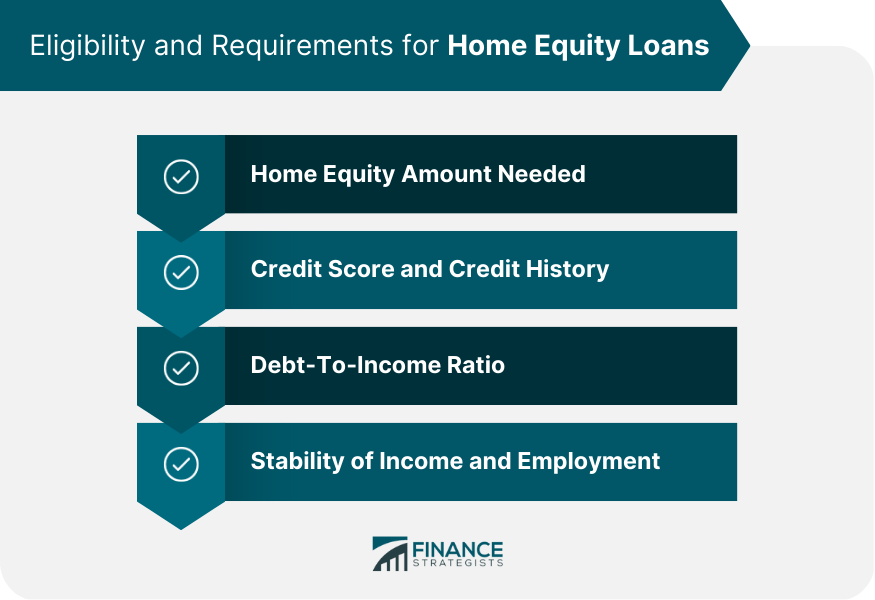
When applying for a high-value equity home loan, there are several key factors that lenders take into consideration to determine eligibility. These factors play a crucial role in assessing the borrower's ability to repay the loan and manage the associated risks.Credit Score and History
Your credit score and history are significant factors that lenders look at when evaluating your eligibility for a high-value equity home loan. A good credit score demonstrates your creditworthiness and ability to manage debt responsibly. Lenders typically prefer borrowers with a higher credit score as it indicates lower credit risk. Additionally, a solid credit history, without any major delinquencies or defaults, can increase your chances of qualifying for a high-value loan.Income
Your income is another important factor that lenders consider when assessing your eligibility for a high-value equity home loan. A stable and sufficient income provides assurance to lenders that you have the financial capacity to make timely repayments. Lenders will typically evaluate your income to ensure that it is consistent and reliable to cover the loan payments.Debt-to-Income Ratio
The debt-to-income ratio is a key metric used by lenders to evaluate your financial health and capacity to take on additional debt. This ratio compares your total monthly debt payments to your gross monthly income. Lenders prefer borrowers with a lower debt-to-income ratio, as it indicates that you have more disposable income available to meet your mortgage obligations.Loan-to-Value Ratio
The loan-to-value ratio is another crucial factor in the qualification process for high-value equity home loans. This ratio compares the loan amount to the appraised value of the property. Lenders typically prefer lower loan-to-value ratios, as it signifies less risk for them in case of default. A lower ratio may also result in more favorable loan terms and interest rates for the borrower.Building Home Equity
Building home equity is crucial when aiming to qualify for a high-value equity home loan. By increasing the equity in your property, you can access larger loan amounts and better terms. Here are some strategies to help you build home equity effectively.Home Improvement Projects
Undertaking home improvement projects can significantly increase the value of your property, thus boosting your home equity. Renovations such as kitchen upgrades, bathroom remodels, or adding a deck or patio can enhance both the aesthetic appeal and functionality of your home. These improvements can attract potential buyers and increase the overall value of your property.- Focus on renovations that offer a high return on investment, such as upgrading the kitchen or bathroom.
- Consider energy-efficient upgrades like installing solar panels or upgrading insulation, which can also lead to savings on utility bills.
- Curb appeal matters - invest in landscaping, exterior painting, or adding a new front door to make a great first impression.
Regular Mortgage Payments
Making regular mortgage payments is essential for building home equity over timeRemember, the longer you stay in your home and make mortgage payments, the more equity you will build.
Loan Application Process
When applying for a high-value equity home loan, there are several typical steps that borrowers need to follow to secure the loan. Lenders will require specific documentation to assess the borrower's financial situation and determine eligibility. Additionally, the role of appraisals and inspections is vital in the loan approval process to evaluate the property's value and condition.Documentation Required by Lenders
- Proof of income: Recent pay stubs, W-2 forms, or tax returns to verify income stability.
- Credit history: Credit reports to assess the borrower's credit score and payment history.
- Property information: Details about the property, including address, purchase price, and current market value.
- Debt information: Information on existing debts, such as car loans, student loans, or credit card balances.
- Identification: Government-issued ID to confirm the borrower's identity.
Role of Appraisals and Inspections
Appraisals and inspections play a crucial role in the loan approval process by providing an independent assessment of the property's value and condition. Lenders typically require a professional appraisal to determine the fair market value of the property, ensuring that it meets the loan-to-value ratio requirements. Inspections, on the other hand, help identify any potential issues or hazards that could affect the property's value or safety. Both appraisals and inspections help protect the lender and borrower by ensuring that the property is a sound investment.Choosing the Right Lender
 Choosing the right lender for your high-value equity home loan is crucial to ensure you get the best terms and rates for your financial situation.
Comparing Lenders
- Compare interest rates offered by different lenders to find the most competitive rates.
- Look at the terms and conditions of the loans to see which lender offers more flexibility and benefits.
- Consider the customer service provided by each lender to ensure you will have a smooth borrowing experience.
Research and Comparison
Researching and comparing multiple lenders is essential to make an informed decision. Take the time to gather information on each lender's reputation, track record, and customer reviews before committing to a loan.Negotiation Tips
- Be prepared to negotiate with lenders to secure better terms and rates for your loan.
- Highlight your positive financial history and credit score to leverage a better offer.
- Don't be afraid to ask for discounts or concessions to make the loan more affordable for you.
Concluding Remarks
In conclusion, navigating the realm of high-value equity home loans requires a blend of financial acumen and strategic planning. By following the steps Artikeld in this guide, you can position yourself for success and unlock the doors to your dream home.
Commonly Asked Questions
How can I improve my chances of qualifying for a high-value equity home loan?
By maintaining a good credit score, reducing your debt-to-income ratio, and increasing your home equity through strategic improvements.
What documents do I need to provide when applying for a high-value equity home loan?
Lenders typically require documents such as income verification, tax returns, bank statements, and property valuation reports.
How do I choose the right lender for a high-value equity home loan?
Research different lenders, compare their terms and interest rates, and don't hesitate to negotiate for better terms that suit your financial goals.