Embark on a journey exploring How a Second Charge Mortgage Can Save Your Credit Score. Delve into the intricacies of this financial tool that could potentially impact your credit score positively.
Uncover the differences between a second charge mortgage and a regular mortgage, and learn about the process involved in securing one.
Introduction to Second Charge Mortgages
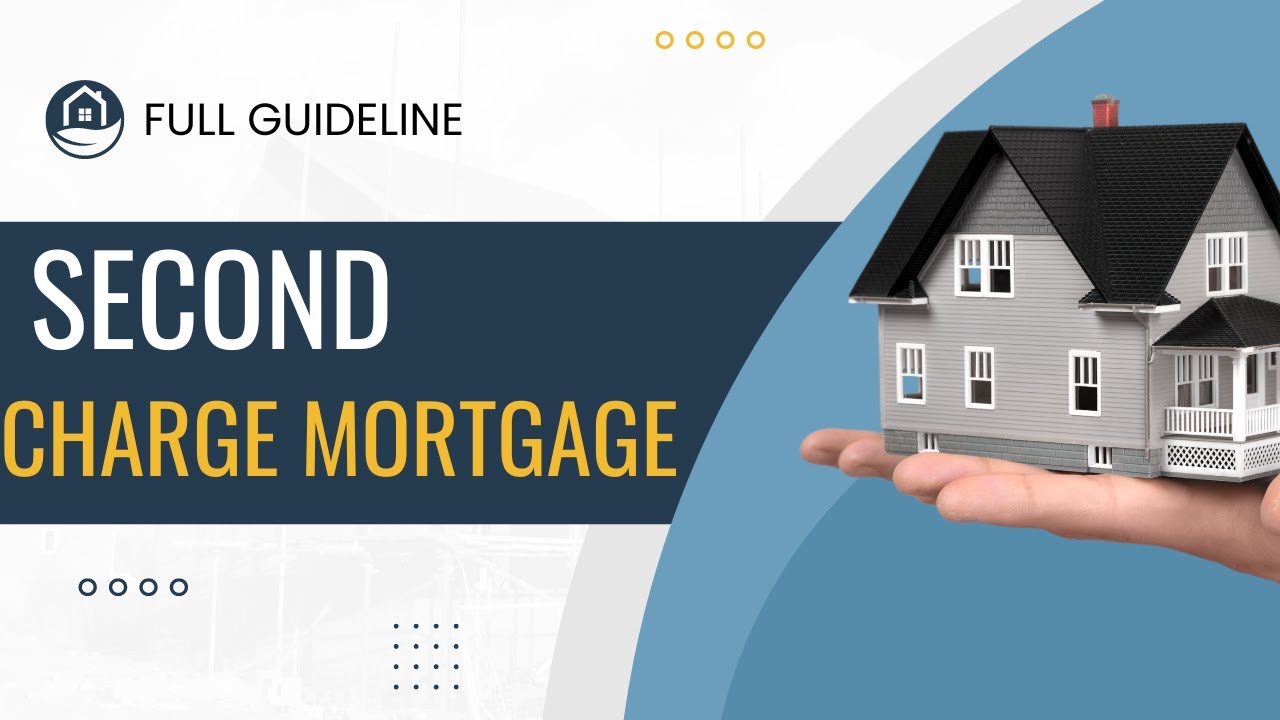
A second charge mortgage, also known as a secured loan, is a type of loan that allows you to use the equity in your home as security. It is an additional loan on top of your existing mortgage, with a separate lender.
Differences Between Second Charge Mortgage and Regular Mortgage
- A regular mortgage is the primary loan you take out to purchase a property, while a second charge mortgage is a secondary loan secured against the same property.
- Second charge mortgages usually have higher interest rates compared to regular mortgages, as they are considered riskier for lenders.
- While regular mortgages are used for buying a home, second charge mortgages can be used for various purposes such as home improvements, debt consolidation, or financing a large purchase.
Process of Getting a Second Charge Mortgage
Applying for a second charge mortgage involves a similar process to that of a regular mortgage:
- Evaluate your financial situation and determine how much equity you have in your home.
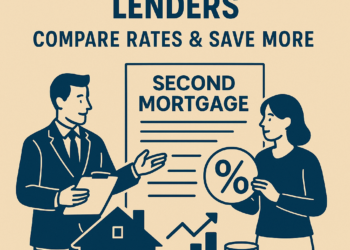
- Research and compare different lenders offering second charge mortgages to find the best deal for your needs.
- Submit an application to the chosen lender, providing necessary documentation such as proof of income, property valuation, and credit history.
- The lender will assess your application and if approved, they will provide you with the terms of the loan including the interest rate, repayment schedule, and any fees involved.
- If you accept the terms, the lender will arrange for the funds to be transferred to you, and the second charge mortgage will be registered against your property.
Importance of Credit Scores
Credit scores play a crucial role in various financial matters, serving as a measure of an individual's creditworthiness and financial responsibility. Lenders, landlords, insurance companies, and even potential employers often rely on credit scores to assess an individual's financial health and reliability.
Significance of Credit Scores in Borrowing
When it comes to borrowing money, credit scores greatly impact one's ability to secure loans, credit cards, or mortgages. A higher credit score typically translates to more favorable loan terms, such as lower interest rates and higher borrowing limits. On the other hand, a low credit score may result in limited borrowing options or high-interest rates, making it more challenging to access credit.
Consequences of Having a Poor Credit Score
- Difficulty in obtaining loans or credit cards:
- Higher interest rates:
- Limited housing options:
- Impact on employment opportunities:
How Second Charge Mortgages Impact Credit Scores
 Taking a second charge mortgage can have a significant impact on your credit score. When you apply for a second charge mortgage, the lender will conduct a hard credit check, which may temporarily lower your credit score. However, if you manage the second charge mortgage responsibly by making timely payments, it can actually improve your credit score over time
Potential Benefits of a Second Charge Mortgage for Credit Scores
- Diversification of Credit Mix: Having a second charge mortgage in addition to other types of credit, such as credit cards or personal loans, can demonstrate to credit agencies that you can handle different forms of credit responsibly.
- Increased Available Credit: A second charge mortgage can increase your total available credit, which can lower your credit utilization ratio if you maintain low balances on your other credit accounts.
- Positive Payment History: Making on-time payments on your second charge mortgage will contribute to a positive payment history, which is a crucial factor in determining your credit score.
Scenarios where a Second Charge Mortgage Can Positively Impact Credit Scores
- Debt Consolidation: Using a second charge mortgage to consolidate high-interest debt can improve your credit score by reducing your overall debt burden and demonstrating responsible debt management.
- Home Improvement: Investing in home improvements with a second charge mortgage can increase the value of your property, which can positively impact your credit score by boosting your overall financial health.
- Emergency Expenses: If you use a second charge mortgage to cover unexpected expenses, such as medical bills or major car repairs, and manage the repayments effectively, it can demonstrate your ability to handle financial challenges responsibly.
Tips for Using Second Charge Mortgages to Save Your Credit Score
When utilizing a second charge mortgage to save your credit score, it is essential to approach it responsibly. By following certain strategies and best practices, you can ensure that a second charge mortgage positively impacts your credit score and overall financial health.1. Make Timely Payments
- Ensure that you make timely payments on your second charge mortgage to avoid any negative impact on your credit score.
- Setting up automatic payments can help you stay on track and avoid any missed or late payments.
- Consistently paying on time demonstrates financial responsibility to creditors and can boost your credit score over time.
2. Keep Your Debt-to-Income Ratio Low
- Avoid accumulating more debt than you can comfortably manage alongside your second charge mortgage.
- Maintain a low debt-to-income ratio by keeping your overall debt levels in check relative to your income.
- Lowering your debt-to-income ratio can help improve your credit score and show lenders that you are a responsible borrower.
3. Monitor Your Credit Report Regularly
- Keep a close eye on your credit report to ensure that all information is accurate and up to date.
- Report any discrepancies or errors to the credit bureau promptly to avoid any negative impact on your credit score.
- Regular monitoring allows you to track your progress and make any necessary adjustments to improve your credit score.
Conclusion
In conclusion, understanding the nuances of second charge mortgages and their impact on credit scores can empower you to make informed financial decisions. Take charge of your credit score and pave the way towards financial stability.
Frequently Asked Questions
Can taking a second charge mortgage improve my credit score?
Yes, if managed responsibly, a second charge mortgage can positively impact your credit score over time.
What are the consequences of having a poor credit score?
A poor credit score can limit your borrowing capabilities, leading to higher interest rates or loan rejection.
How can I ensure that a second charge mortgage helps improve my credit score?
By making timely payments and managing your finances well, you can see a gradual improvement in your credit score.